
How we test TSH
You can have TSH tested with a blood sample taken at one of our 250+ partner clinics, or with a finger-prick kit at home. Samples are analysed by a UKAS-accredited laboratory. Results are usually ready in 3–5 working days, with a doctor's comments on every result.
Tests that include TSH
-
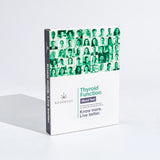 Thyroid Function
from £49
-
 Menopause
from £79
-
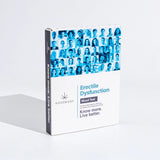 Erectile Dysfunction
from £79
-
 PCOS - Polycystic Ovary Syndrome
from £89
-
 Weight Loss
from £99
-
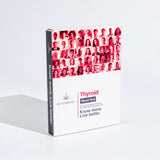 Thyroid Function with Antibodies
from £109
-
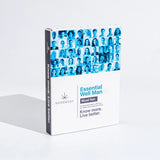 Essential Well Man
from £129
-
 Essential Well Woman
from £129
-
 Advanced Well Man
from £175
-
 Advanced Well Woman
from £175
-
 Premium Complete
from £249
-
 The Signature Well Man
from £375
-
 The Signature Well Woman
from £375
Prices for in-clinic tests include your appointment. Compare every test with TSH in the biomarker explorer
Frequently asked questions
What is a dangerously high TSH level?
There is no single dangerous number. The higher the TSH, the more underactive the thyroid is likely to be, and the more likely treatment is needed. A result flagged high should be discussed with your GP, and promptly if you're pregnant or feel very unwell.
What does a low TSH mean in a woman?
The same as in a man: usually an overactive thyroid or too high a levothyroxine dose. In early pregnancy a slightly low TSH can be normal. Your GP will look at your free T4 and symptoms too.
Does biotin affect a thyroid blood test?
Yes. Biotin can make results look higher or lower than they really are. Stop biotin supplements for at least two days before testing, unless they're prescribed.
Does a routine blood test show thyroid problems?
Only if it includes thyroid tests. A full blood count doesn't check your thyroid. You need TSH, and ideally free T4.
Can a thyroid blood test show cancer?
No. Most people with thyroid cancer have normal thyroid blood tests. A lump in the neck needs to be examined by a doctor, who may arrange an ultrasound scan.
My TSH is normal but I still have symptoms. What now?
Tiredness and weight changes have many causes, such as low iron, vitamin D or B12, or poor sleep. Speak to your GP about your symptoms. A wider blood test can help rule other causes in or out.