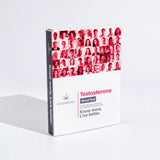
Testosterone and SHBG blood test: what they measure and what your result means

Medically reviewed by Dr Lebeth Jacob · 21 October 2026

Quick answer: Testosterone is a hormone that affects sex drive, energy, mood, muscle and bone in both men and women. Most of it is carried in the blood by a protein called SHBG (sex hormone-binding globulin). A testosterone test is best done in the morning. Measuring SHBG as well shows how much testosterone is free for your body to use.

What are testosterone and SHBG?

In men, most testosterone is made in the testicles. Women make much smaller amounts in the ovaries and adrenal glands.

Only a small share of testosterone is "free". The rest is bound to SHBG or another protein, albumin. Free testosterone is the part your body can use, so a high or low SHBG can change how much testosterone you effectively have, even when total testosterone looks normal.

From total testosterone and SHBG, the laboratory can work out free testosterone and the free androgen index.

Why is testosterone tested?

  • In men: low sex drive, erection problems, tiredness, low mood, loss of muscle or reduced body hair
  • In women: excess facial or body hair, acne or irregular periods, which can be signs of PCOS
  • You're having fertility investigations
  • You're overweight or have type 2 diabetes, which are linked to low testosterone in men
  • You're on testosterone treatment and need to check your level

What does a low testosterone result mean in men?

Low testosterone can cause symptoms, but a single low result isn't enough to diagnose it. A GP will usually repeat a morning test. Common reasons for low testosterone are:

  • Being overweight, or having type 2 diabetes
  • Poor sleep, including sleep apnoea
  • Heavy drinking
  • A recent illness
  • Some medicines, such as opioid painkillers and steroids, or having used anabolic steroids
  • Problems with the testicles or the pituitary gland

Testosterone falls only slowly with age, so a large drop isn't simply "getting older".

What does a high testosterone result mean?

In men, a high result is most often caused by testosterone treatment or anabolic steroids.

In women, a raised testosterone is most often caused by polycystic ovary syndrome (PCOS). Very rarely it's caused by a tumour in the ovary or adrenal gland, especially if symptoms come on quickly.

What does SHBG tell you?

  • High SHBG means less testosterone is free. It's linked to older age, an overactive thyroid, liver conditions, low body weight, and the contraceptive pill or other oestrogen.
  • Low SHBG means more testosterone is free. It's linked to being overweight, insulin resistance and type 2 diabetes, PCOS and an underactive thyroid.

What can affect your result?

  • Time of day: testosterone is highest in the morning. Have your test before 11am, and at the same time each time you retest.
  • A recent illness, poor sleep or very hard training can lower it
  • Testosterone gels or injections, anabolic steroids and some supplements affect it. Tell the doctor reviewing your result.
  • The contraceptive pill raises SHBG, which lowers free testosterone in women

When to see a GP

Your results report shows the laboratory's normal range and flags any result outside it. Speak to your GP if:

  • Your testosterone is flagged low and you have symptoms; they'll usually repeat a morning test
  • Your testosterone is flagged high and you don't take testosterone or steroids
  • You're a woman with new, fast-growing facial or body hair, a deepening voice or periods stopping (see them promptly)
  • You notice a lump or swelling in a testicle (see them promptly)

How we test testosterone

You can have testosterone and SHBG tested with a blood sample taken at one of our 250+ partner clinics, or with a finger-prick kit at home. Samples are analysed by a UKAS-accredited laboratory. Results are usually ready in 3–5 working days, with a doctor's comments on every result.

Tests that include testosterone

Prices for in-clinic tests include your appointment. Compare every test with testosterone in the biomarker explorer

Frequently asked questions

How do I test my testosterone levels?

With a blood test, ideally taken before 11am. You can have a sample taken at a clinic or use a finger-prick kit at home. Testing SHBG at the same time gives a fuller picture.

What are normal testosterone levels?

The range differs for men and women, and your report flags your result against the laboratory's range. What matters most for men is whether a low result comes with symptoms and is confirmed on a repeat morning test.

How can I increase my testosterone levels?

If you're overweight, losing weight is the most effective natural step. Getting enough sleep, being active, cutting down on alcohol and managing diabetes help too. "Testosterone booster" supplements aren't proven to work. Testosterone treatment should only be taken on medical advice, as it can stop sperm production.

What is SHBG?

Sex hormone-binding globulin, a protein that carries testosterone and oestrogen in the blood. When SHBG is high, less testosterone is free for the body to use; when it's low, more is free.

What is the free androgen index?

A figure calculated from total testosterone and SHBG. It gives an idea of how much testosterone is active. It's mainly used to check for PCOS in women.

Can women have high testosterone?

Yes. The most common cause is PCOS. It can cause excess hair, acne and irregular periods. Speak to your GP if you have these symptoms.