HbA1c blood test: what it measures and what your result means

Medically reviewed by Dr Lebeth Jacob · 21 October 2026

Quick answer: HbA1c shows your average blood sugar over the past two to three months. It measures how much sugar has stuck to the haemoglobin in your red blood cells. Doctors use it to check for type 2 diabetes and prediabetes, and to see how well diabetes is controlled. You don't need to fast for it.

What is HbA1c?

HbA1c stands for glycated haemoglobin. Haemoglobin carries oxygen in your red blood cells. When sugar is in your blood, some of it sticks to haemoglobin, and the more sugar there is, the more sticks.

Red blood cells live for about three months. So HbA1c reflects your blood sugar over that whole period, not just on the day. In the UK it is reported in mmol/mol; some other countries use a percentage.

Why is HbA1c tested?

  • To check for type 2 diabetes or prediabetes
  • You have symptoms such as thirst, peeing more, tiredness or blurred vision
  • You have risk factors: being overweight, a family history of diabetes, or South Asian, African or Caribbean heritage
  • You had diabetes in a past pregnancy
  • You already have diabetes and want to see how well it is controlled

What does a high HbA1c result mean?

A high result means your blood sugar has been raised over recent months. Depending on how high it is, it can fall in the prediabetes range or the diabetes range. Your report flags it against the laboratory's range.

A GP will usually repeat the test before diagnosing diabetes in someone without symptoms. Prediabetes means your risk is raised, and lifestyle changes at this stage can often bring it back down.

What does a low HbA1c result mean?

A low result is uncommon. It can happen when red blood cells don't live as long as usual, for example after blood loss, a transfusion, or with some blood conditions. In people taking diabetes medicines it can point to frequent low blood sugars (hypos).

What can affect your result?

  • Iron deficiency can make HbA1c read higher than your true average
  • Recent blood loss, a transfusion or pregnancy can make it read lower
  • Some inherited haemoglobin types, such as sickle cell trait, can affect the result
  • Kidney disease and some medicines can affect it
  • HbA1c isn't the right test for suspected type 1 diabetes coming on quickly, especially in children. That needs a same-day blood glucose test from a GP or A&E.

When to see a GP

Your results report shows the laboratory's normal range and flags any result outside it. Speak to your GP if:

  • Your HbA1c is flagged as raised
  • You have symptoms of diabetes: thirst, peeing more (especially at night), tiredness, weight loss, thrush or slow-healing cuts
  • You have diabetes and your result has changed a lot

Get urgent help (999 or A&E) if you feel very unwell with extreme thirst, vomiting, fast breathing, confusion or breath that smells fruity. These can be signs of a diabetes emergency.

How we test HbA1c

You can have HbA1c tested with a blood sample taken at one of our 250+ partner clinics, or with a finger-prick kit at home. No fasting is needed. Samples are analysed by a UKAS-accredited laboratory. Results are usually ready in 3–5 working days, with a doctor's comments on every result.

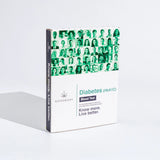
Tests that include HbA1c

Prices for in-clinic tests include your appointment. Compare every test with HbA1c in the biomarker explorer

Frequently asked questions

What is a normal HbA1c by age?

The ranges for normal, prediabetes and diabetes are the same for all adults. HbA1c tends to creep up slightly with age, but the cut-offs don't change. For people who already have diabetes, doctors set a personal target, which may be less strict for older people.

Do I need to fast for an HbA1c test?

No. HbA1c reflects the past few months, so a recent meal doesn't change it. You can eat and drink water as normal, unless another test in the same appointment needs fasting.

How quickly can I lower my HbA1c?

Not in a week. Because it reflects about three months, changes show slowly. Weight loss, more activity and eating fewer refined carbohydrates can lower it, and a repeat test after about three months shows the effect.

Is HbA1c the same as a blood sugar test?

No. A blood glucose test shows your sugar level at that moment. HbA1c shows the average over recent months, so it isn't affected by what you ate that morning.

Can HbA1c be wrong?

It can be misleading if you have anaemia, have recently lost blood or had a transfusion, are pregnant, or have certain haemoglobin types. A doctor may use a different test in those cases.

What is a dangerously high HbA1c level?

There is no single number that is dangerous on its own. The higher the result, the more likely it is that blood sugar needs treatment soon. Any result flagged high should be discussed with a GP, and urgently if you also feel unwell.