Cortisol blood test: what it measures and what your result means

Medically reviewed by Dr Lebeth Jacob · 21 October 2026

Quick answer: Cortisol is a hormone made by your adrenal glands. It helps control blood pressure, blood sugar, inflammation and your body's response to stress. Levels are highest in the morning and lowest at night. A cortisol blood test gives a snapshot of your level at the time of the test. It can show whether cortisol is unusually high or low, but one result can't measure long-term stress on its own.

What is cortisol?

Your adrenal glands sit on top of your kidneys. They release cortisol under the control of the pituitary gland in your brain. Cortisol helps you wake up and stay alert, keeps blood sugar steady, and rises when your body is under physical or emotional strain.

Cortisol follows a daily rhythm. It peaks shortly after you wake, falls through the day, and is at its lowest around midnight. That's why the time of your test matters so much.

Why is cortisol tested?

  • You feel exhausted, dizzy when standing, or have lost weight without trying
  • You've gained weight around your face and tummy, with thin skin or purple stretch marks
  • You've used steroid tablets, inhalers or creams for a long time
  • You want to understand how stress, sleep or training may be affecting you
  • A doctor is checking how your adrenal or pituitary glands are working

What does a high cortisol result mean?

A high result most often reflects what was happening around the time of the test. Common reasons are:

  • Short-term stress, pain, illness or poor sleep
  • Very hard exercise
  • The contraceptive pill, HRT or pregnancy, which raise the protein that carries cortisol
  • Some steroid medicines
  • Heavy drinking
  • Rarely, Cushing's syndrome, where the body makes too much cortisol over a long time

If a doctor suspects Cushing's syndrome, they'll arrange special tests, such as a late-night saliva test or a test after a dose of a steroid called dexamethasone.

What does a low cortisol result mean?

A low result can be normal if the sample was taken in the afternoon or evening. Other reasons are:

  • Long-term use of steroid tablets, inhalers, creams or injections, which can switch off your own cortisol production
  • Rarely, Addison's disease, where the adrenal glands don't make enough cortisol
  • Rarely, a problem with the pituitary gland

If cortisol is low on a morning test, a doctor may arrange a stimulation test to check how your adrenal glands respond.

What can affect your result?

  • Time of day: follow the timing instructions for your test. Morning samples are the most useful, and retests should be at the same time.
  • Stress, pain, poor sleep or hard exercise before the test can raise it
  • The contraceptive pill, HRT and pregnancy raise it
  • Steroid medicines can affect it in either direction. Don't stop a steroid medicine before a test without medical advice, as this can be dangerous.

When to see a GP

Your results report shows the laboratory's range and flags any result outside it. Speak to your GP if:

  • Your cortisol is flagged high or low, especially on a morning sample
  • You have tiredness, weight loss, dizziness on standing or salt cravings
  • You've gained weight around your face and tummy and have thin skin, easy bruising or purple stretch marks

Call 999 if someone has severe vomiting, fainting, confusion or extreme weakness, especially if they take steroids or have Addison's disease. This can be an adrenal crisis.

How we test cortisol

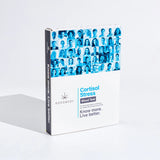
You can have cortisol tested with a blood sample taken at one of our 250+ partner clinics, or with a finger-prick kit at home. Samples are analysed by a UKAS-accredited laboratory. Results are usually ready in 3–5 working days, with a doctor's comments on every result.

Tests that include cortisol

Prices for in-clinic tests include your appointment. Compare every test with cortisol in the biomarker explorer

Frequently asked questions

What is cortisol?

A hormone made by your adrenal glands. It helps control blood sugar, blood pressure and inflammation, and rises when your body is under stress.

How can I lower my cortisol?

Regular sleep at consistent times, being active (without overtraining), cutting down on caffeine and alcohol, and making time to relax all help keep cortisol in a healthy rhythm. If you're struggling with ongoing stress or anxiety, speak to your GP.

Can a blood test measure stress?

Only partly. One blood test shows your cortisol at that moment, which can be affected by how you felt that morning. It can show whether your level is unusually high or low, but it isn't a measure of long-term stress on its own.

What is "cortisol belly"?

It's a social media term for fat around the tummy. For most people, tummy fat is caused by diet, activity, sleep, age and genes rather than high cortisol. Cushing's syndrome does cause weight gain around the tummy, but it's rare and comes with other signs, such as thin skin and purple stretch marks.

What causes high cortisol?

Most often short-term stress, illness, pain, poor sleep or hard exercise. The contraceptive pill and pregnancy raise it too. Long-term high cortisol from Cushing's syndrome is rare.

When is the best time to test cortisol?

In the morning, when cortisol is at its peak and results are easiest to interpret. Follow the timing instructions for the test you book.