Bilirubin blood test: what it measures and what your result means

Medically reviewed by Dr Lebeth Jacob · 21 October 2026

Quick answer: Bilirubin is a yellow substance made when old red blood cells are broken down. Your liver clears it from the blood into bile. A bilirubin test is part of a liver function test. A slightly high result is often caused by Gilbert's syndrome, a common and harmless condition. A higher result can point to a liver or bile duct problem, or red blood cells breaking down too fast.

What is bilirubin?

Red blood cells last about four months. When they wear out, the haemoglobin inside them is broken down into bilirubin. The liver processes it and passes it into bile, which flows into the gut. That's what gives stools their brown colour.

If too much bilirubin is made, or the liver can't clear it, it builds up in the blood. At high levels it turns the skin and whites of the eyes yellow, which is called jaundice.

Why is bilirubin tested?

  • As part of a routine liver function check
  • You drink alcohol regularly, or are checking your liver after cutting down
  • You are overweight or have type 2 diabetes, which raise the risk of fatty liver
  • You take medicines that can affect the liver
  • You've noticed yellowing of your skin or eyes, dark urine or pale stools

What does a high bilirubin result mean?

Common reasons are:

  • Gilbert's syndrome: an inherited and harmless condition that affects about 1 in 20 people. Bilirubin goes up and down, and rises when you fast, are ill or are dehydrated.
  • Liver conditions, such as fatty liver, hepatitis or alcohol-related liver disease
  • Something blocking the bile ducts, most often gallstones
  • Red blood cells breaking down faster than usual (haemolysis)
  • Some medicines

A doctor looks at your other liver tests, such as ALT, ALP and GGT, to tell these apart. If only bilirubin is raised and everything else is normal, Gilbert's syndrome is the most likely reason.

What does a low bilirubin result mean?

A low bilirubin result is not usually a concern.

What can affect your result?

  • Fasting for a long time, or skipping meals, can raise bilirubin, especially if you have Gilbert's syndrome
  • A recent illness, dehydration or hard exercise can raise it
  • Some medicines can raise it
  • Follow the fasting instructions for the test you book, but don't fast for longer than asked

When to see a GP

Your results report shows the laboratory's normal range and flags any result outside it. Speak to your GP if:

  • Your bilirubin is flagged high, especially if other liver tests are also raised
  • You have tummy pain, itching, or are losing weight without trying

Get medical help the same day (GP or NHS 111) if your skin or the whites of your eyes turn yellow, or you have dark urine and pale stools. Go to A&E if you have jaundice with a high temperature, severe tummy pain, or feel confused or drowsy.

How we test bilirubin

You can have bilirubin tested with a blood sample taken at one of our 250+ partner clinics, or with a finger-prick kit at home. Samples are analysed by a UKAS-accredited laboratory. Results are usually ready in 3–5 working days, with a doctor's comments on every result.

Tests that include bilirubin

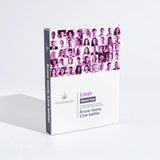
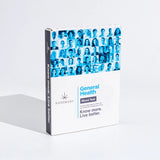
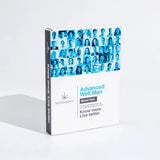
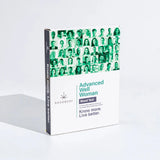
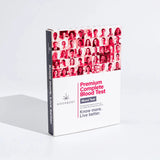
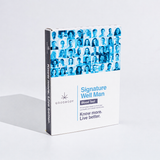
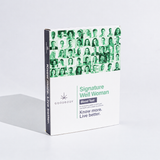
Prices for in-clinic tests include your appointment. Compare every test with bilirubin in the biomarker explorer

Frequently asked questions

What is a dangerous level of bilirubin in adults?

There is no single dangerous number. A mildly raised level with normal liver tests is often Gilbert's syndrome, which is harmless. A high level with jaundice, dark urine or pale stools needs to be checked by a doctor the same day.

What causes high bilirubin?

Most often Gilbert's syndrome, liver conditions, gallstones blocking the bile ducts, or red blood cells breaking down too fast. Your other liver tests help show which.

What is Gilbert's syndrome?

An inherited condition where the liver processes bilirubin a little more slowly than usual. It's harmless and doesn't need treatment, but bilirubin can rise when you fast, are ill or are stressed. Some people notice mild yellowing of the eyes at those times.

How can I lower my bilirubin?

It depends on the cause. With Gilbert's syndrome, regular meals and drinking enough fluids help keep it steady. If a liver condition is the cause, treating it, cutting down on alcohol and losing extra weight help.

What does bilirubin in urine mean?

Bilirubin isn't normally found in urine. If it is, it can be a sign of a liver or bile duct problem. See a GP.

Is this page about jaundice in newborn babies?

No. Jaundice is common in newborns and is checked by your midwife or health visitor. Contact them, or NHS 111, if you're worried about your baby.