
How we test ALT
You can have ALT tested with a blood sample taken at one of our 250+ partner clinics, or with a finger-prick kit at home. Samples are analysed by a UKAS-accredited laboratory. Results are usually ready in 3–5 working days, with a doctor's comments on every result.
Tests that include ALT
-
 Liver
from £49
-
 General Health
from £69
-
 Essential Well Man
from £129
-
 Essential Well Woman
from £129
-
 Advanced Well Man
from £175
-
 Advanced Well Woman
from £175
-
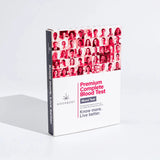 Premium Complete
from £249
-
 The Signature Well Man
from £375
-
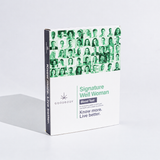 The Signature Well Woman
from £375
Prices for in-clinic tests include your appointment. Compare every test with ALT in the biomarker explorer
Frequently asked questions
Is my ALT level high?
Your report shows the laboratory's normal range and flags your result if it's outside it. A mildly raised ALT is common, and is often caused by fatty liver, alcohol or recent exercise. A GP will look at how high it is, your other liver tests and whether it stays raised.
When should I worry about my ALT?
Speak to a GP if it's flagged high, especially if it stays high on a repeat test or other liver tests are also abnormal. Get help the same day if you develop jaundice.
How can I lower my ALT?
If fatty liver is the cause, losing weight gradually is the most effective step: losing around 1 in 10 of your body weight can make a big difference. Cutting down on alcohol, being active and managing diabetes help too. Check any supplements or herbal remedies with a pharmacist.
Can exercise raise ALT?
Yes. Hard exercise, especially weight training, can raise ALT for a few days. Avoid it for two or three days before your test.
What is the difference between ALT and AST?
Both are enzymes that rise when liver cells are damaged. ALT is found mainly in the liver. AST is also found in muscle and the heart, so ALT is the more specific liver marker.