
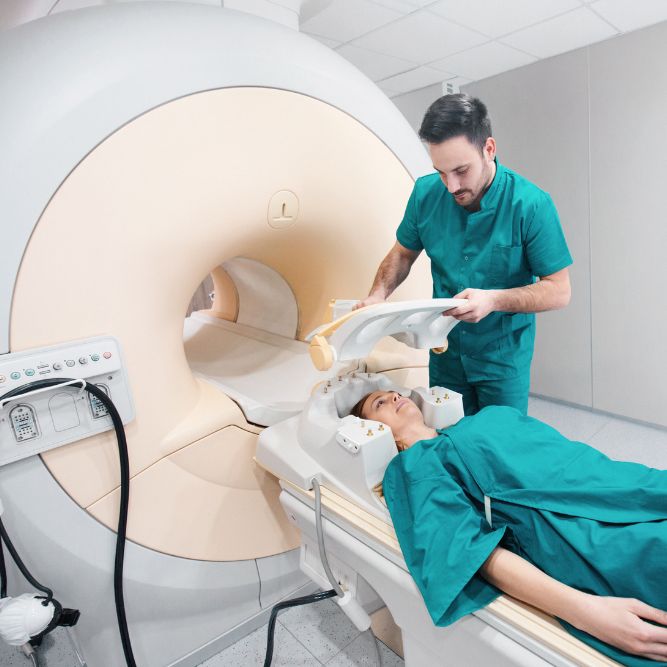
Full body MRI explained: Have you ever wondered how a single scan can provide such a detailed overview of your entire health? A full body MRI is a non-invasive imaging test that captures high-resolution images of major parts of your body, helping detect a wide range of conditions early on, including cancer. Understanding what this scan involves and how it works can empower you to take a proactive role in your health check routine. This article dives deep into what a full body MRI is, the technology behind it, and its vital role in preventive health care.
Understanding Full Body MRI Explained
What Is a Full Body MRI?
A full body MRI is a comprehensive magnetic resonance imaging technique that visualizes multiple organs and tissues from head to pelvis within one session. Unlike traditional MRIs that often focus on a single body part, full body MRIs scan several key areas, providing a holistic snapshot of your body's condition. This wide-ranging approach assists healthcare professionals in early detection of abnormalities and diseases, improving outcomes especially when it comes to cancer screening and general health checks.
How Does the MRI Technology Work?
MRI uses powerful magnets and radio waves to create detailed images of the body's internal structures without exposing you to radiation. When placed inside the MRI scanner, the magnetic field aligns hydrogen atoms in your body. Radiofrequency pulses then disturb this alignment, and as the atoms return to their original state, they emit signals that are converted into images by a computer. This process captures soft tissues, organs, blood vessels, and even subtle changes, allowing radiologists to identify abnormalities with precision.
The Components of a Full Body MRI Scan
Areas Typically Scanned
- Brain and skull, including blood vessels important for neurological assessment
- Neck, focusing on carotid arteries and surrounding tissues
- Chest region (excluding heart and lungs in some protocols) to detect masses or lesions
- Abdomen to check organs like liver, kidneys, pancreas, and gallbladder
- Pelvic area covering bladder, uterus or prostate and ovaries
- Spine to assess vertebrae, spinal cord, and nerve roots
What Conditions Can It Detect?
This scan is particularly powerful for a range of health concerns and can function as a thorough cancer screen by identifying tumors and abnormal tissue growth early. Beyond cancer detection, it assists in finding inflammation, vascular issues like aneurysms, degenerative diseases, and infections. Full body MRI is often part of a health check strategy for individuals seeking early warnings about their overall wellness or who have a higher risk profile for certain diseases.
Benefits of a Full Body MRI in Preventive Health
Early Detection and Peace of Mind
One of the primary values of a full body MRI is its ability to detect silent diseases before symptoms appear, making it an indispensable tool in preventive medicine. Early-stage tumor identification, for example, significantly improves treatment success rates. Moreover, this scan provides reassurance and detailed insight, allowing individuals to track their health and intervene promptly with their healthcare providers if abnormalities are found.
Non-Invasive and Radiation-Free
Unlike CT scans and X-rays, full body MRI explained relies solely on magnetic fields and radio waves, eliminating exposure to ionizing radiation. This aspect makes repeated use safer and suitable for a wider range of patients, including those concerned about the risks of cumulative radiation.
What to Expect During a Full Body MRI Scan
Preparing for Your Scan
Prior to your appointment, you'll be asked to remove any metal objects and may need to wear a hospital gown. Inform the healthcare team if you have implants, pacemakers, or metal fragments in your body, as these can interfere with the scan. Typically, no special diet or fasting is needed unless contrast agents are used.
The Scanning Process and Duration
The scan itself lasts about 60-90 minutes depending on the protocol. You will lie on a movable table that slides into a cylindrical MRI machine. Staying still is critical for clear images. You might hear loud knocking sounds as the machine operates, and often ear protection or music is provided for comfort. During some portions, breathing instructions may be given to reduce motion artefacts. After the scan, results are reviewed by a radiologist, with reports ready within a few days.
Potential Limitations and Considerations
What Full Body MRI May Not Detect
While highly detailed, full body MRI scans do not typically include heart or lung imaging, since MRI is less effective for air-filled or moving organs. Other imaging techniques like CT or Ultrasound may be better suited for these areas if concerns arise during your health check. Additionally, MRI findings sometimes require follow-up to clarify unclear results or to rule out false positives.
Who Should Consider a Full Body MRI?
Ideal candidates include individuals with family histories of cancer, unexplained symptoms, or those seeking a comprehensive health check for peace of mind. It also suits people engaged in proactive health monitoring or concerned about silent diseases. However, always consult your healthcare provider to determine if this scan is the right choice for you.
How to Access a Full Body MRI Scan
Booking and Packages
Many clinics offer various packages tailored to your needs. For detailed insights, you may want to explore options like the comprehensive full body MRI scan which includes multiple organ assessments and provides a detailed report from experienced radiologists. Booking typically involves no referral, easy online scheduling, and preliminary health questionnaires to ensure safety and proper preparation.
Aftercare and Follow-Up
After your scan, you might have a consultation with a healthcare professional to understand your results, especially if abnormalities are detected. The integrated approach to reporting and follow-up improves care coordination, supporting your journey toward better health management.
Summary: Full Body MRI Explained
Full body MRI explained offers a detailed, radiation-free imaging solution that empowers you with comprehensive knowledge of your health. By scanning multiple critical areas, it acts as a powerful preventive tool for early cancer detection and broad health checks. Though it does have limitations in lung and heart imaging, its benefits in early diagnosis and peace of mind are significant. If you want to learn how this advanced diagnostic can play a role in your health routine, consider booking a full body MRI to gain deeper insight into your body’s condition and catch health issues before they escalate.